Commercial Waste in Harlow
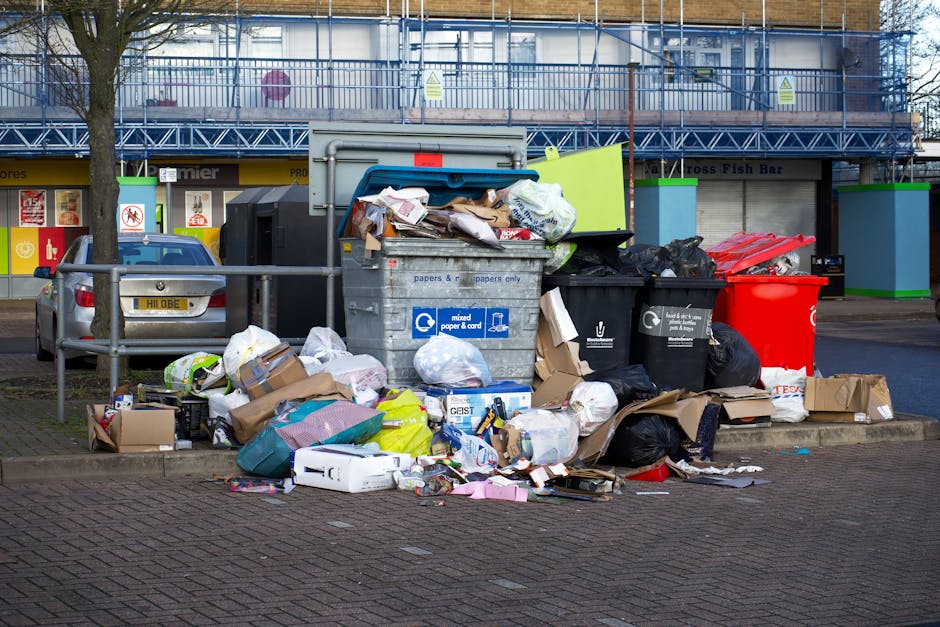
Commercial waste in Harlow needs a practical service that keeps business premises clear, organised and able to carry on working. We handle the collection and removal of a wide range of non-hazardous trade waste, with a focus on straightforward loading, responsible sorting and prompt transfer to approved facilities. For offices, shops, workshops and shared premises, the key aim is simple: remove what is no longer needed without disrupting the working day.
Our service is built around the kinds of waste that build up in day-to-day trading: packaging, mixed rubbish, unwanted fixtures, office contents and bulky items that are awkward to move. Because different premises produce different material, we plan each collection around access, volume and the type of waste involved. That makes it easier to manage one-off clear-outs as well as recurring commercial waste removal in Harlow.
If you need help with commercial waste removal, business rubbish collection or a broader clearance, you can request a quotation once you have a clear idea of what needs taking away. The more accurate the description, the more useful the estimate becomes. If you are comparing disposal options, start with what is on site, decide what can remain, and then use the relevant service page to narrow the right approach for your premises.
Business waste collection for everyday premises
Business waste collection is often about keeping routine disposal manageable rather than tackling a single dramatic clear-out. Offices, retail units, small warehouses and workshops can all produce a mixed stream of paper, packaging, old stock, damaged items and general rubbish. We remove that material in a way that supports normal operations, whether the need is occasional or part of a planned tidying cycle. The emphasis is on collecting what is ready to go, not on overcomplicating the process.
For many commercial customers, the useful distinction is between general waste, recyclable material and items that need a separate treatment route. Clear separation helps keep collections efficient and avoids unnecessary handling. If you are unsure how a particular type of waste should be grouped, it is usually better to describe it plainly than to guess. A short list of the main material types is often enough to shape a sensible collection plan and an appropriate quote.
Before booking, it helps to gather a few basics in one place: what needs removing, how much there is, where it is stored and whether access is straightforward. Photographs are useful when a load contains mixed items or bulky waste, but a written list can also work if the contents are simple. If the waste is spread across several rooms or floors, that should be mentioned early so the collection can be planned correctly.
Office waste, furniture and equipment

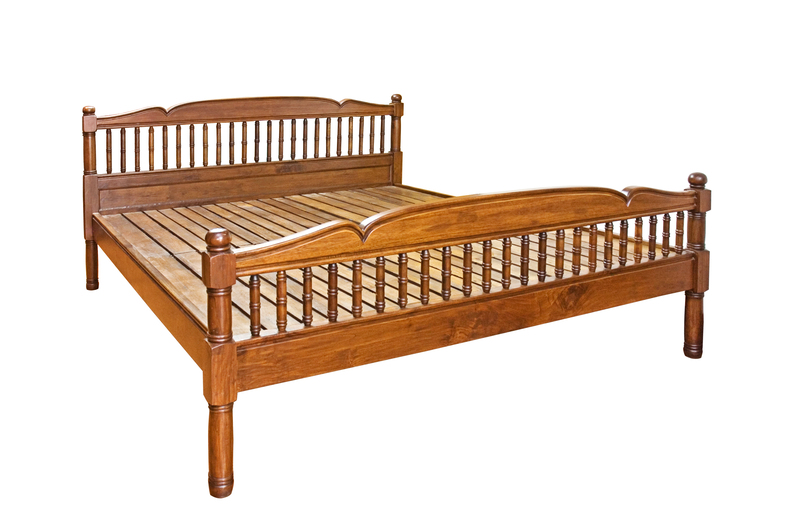
Office waste often includes more than just paper and card. Desks, chairs, shelving, filing units, monitors, small electrical items and general fit-out materials can all build up when a workspace is reconfigured or vacated. We can remove office contents that are no longer needed, including mixed loads where ordinary rubbish sits alongside reusable or recyclable items. That makes the service suitable for decluttering a single room, a suite of rooms or a larger administrative area.
Where office furniture and equipment are involved, careful handling matters. Many items are bulky but not especially heavy, while others are awkward because of their shape, fixings or condition. Breaking a collection into sensible components can save time on the day. For example, loose paperwork, chairs and dismantled partitions are easier to move when grouped separately. If you are arranging a larger office clearance, it is worth deciding in advance what should stay, what should be removed and whether any items need particular care.
- Desks, task chairs and boardroom furniture
- Cabinets, storage units and shelving
- Paper archives, packaging and general office rubbish
- Mixed contents from vacant or partly used workspaces
Retail, hospitality and trade waste
Retail and hospitality premises can generate waste quickly, especially when stock changes, displays are refreshed or areas are cleaned out before a handover. Boxes, broken fittings, outdated point-of-sale items and surplus stock often need removing together. In those situations, a collection that accepts mixed commercial waste can be more practical than trying to split everything into separate runs. The important part is to keep the load honest and clearly described so the right vehicle and labour can be assigned.
Trade waste can also include items that have become redundant after an installation or refurbishment. Broken counters, display units, packaging and redundant storage hardware may all need taking away at the same time. Because these loads can vary from light but bulky to compact and dense, it is useful to think about the space the waste occupies as well as the weight. Volume, access and item type all affect how the collection is organised.
For premises that cannot afford long interruptions, scheduling matters as much as removal itself. A clear handover point, a sensible staging area and an agreed access route help keep the work tidy. If your business has restricted opening times, a narrow yard or shared entry, say so when asking for a quotation. Pricing and quotes can then be discussed with the actual load and access conditions in mind, rather than as a rough guess.
Bulky items, fixtures and fit-out waste

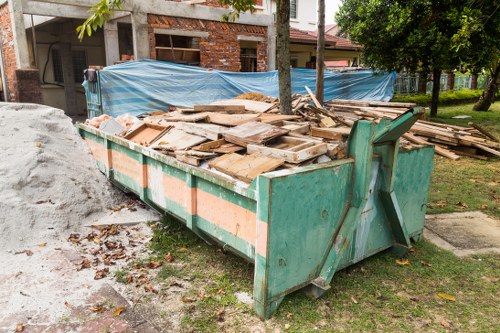
Many commercial clearances are not just about rubbish bags. Bulky fixtures, broken furniture, disused counters, loose panels and shop or office fittings often take up more room than the loose waste around them. We remove these larger items as part of commercial waste work when they are ready for disposal. This can be useful after a refit, a tenancy change, a stockroom rationalisation or the removal of redundant equipment from a workspace.
Large items often need a more measured approach than small waste sacks. Some can be carried out intact, while others are easier to manage once they have been separated into lighter sections. That depends on the materials involved and how the premises are arranged. Where there are tight corridors, upper floors or shared areas, planning how to move items out of the building is just as important as deciding what to remove. The service should support the layout you already have, not interrupt it more than necessary.
If your load includes mixed bulky waste, it helps to be direct about what is reusable, what is broken and what is still fixed in place. That allows the collection to focus on the items that can genuinely be taken away. For larger commercial jobs, one clear description of the site and the material is usually more useful than several vague messages. Book online if you already know the main items and want to move the process forward quickly.
About Harlow
Harlow is a town in Essex whose modern identity is closely associated with post-war planning, although the settlement itself has older origins. The contemporary town developed under the New Town programme after 1947, with landscape design and pedestrian routes forming a key part of its character. Much of Harlow is known for its network of neighbourhoods, open spaces and public art, which give the town a distinctive feel compared with older Essex settlements. The area also sits within reach of the M11 corridor and the Lea Valley, placing it on an important stretch between London and the wider county. Harlow Town railway station connects the area to London Liverpool Street and destinations to the north, making rail travel a significant part of local movement. One of the best-known open spaces is Harlow Town Park, a large green area that includes gardens, sports facilities and leisure space. Elsewhere, the Gibberd Garden reflects the work of Sir Frederick Gibberd, whose influence on the town’s planning and design remains visible in the streetscape and wider layout. The town centre mixes retail, civic and leisure functions, while the Sculpture Town identity is reflected in the public artworks placed throughout streets, squares and parks. Harlow also has connections to older history through nearby parish names and surviving historic elements, reminding visitors that the modern town grew around a much longer regional story. The result is a place where planned neighbourhoods, civic spaces and green corridors sit alongside commercial and residential activity, giving Harlow a varied urban character.
Garden, garage and home clearances for mixed commercial premises
Not every commercial address produces only office furniture or trade packaging. Some businesses also need help with outdoor waste, storage overflow or household-style items from premises that combine working and living space. Garden clearances can involve branches, soil-contaminated green waste, broken planters and general outdoor clutter, while garage or store-room clearances often include mixed contents accumulated over time. We can remove these materials as part of a broader commercial waste collection when they are listed clearly and are suitable for disposal.
Mixed clearances work best when the load is identified by zone rather than lumped together. A yard may contain timber offcuts and old fixtures, a garage may hold tools and packaging, and a back room may include furniture or archive boxes. Separating those areas mentally before the quote makes it easier to explain what needs taking and what must remain. It also helps if the waste includes a combination of reusable, recyclable and general disposal items, because that affects how the collection is organised.
Where there are multiple spaces to empty, the most useful information is often a simple sequence: what is in the front area, what is stored at the back, and what access exists between them. That is enough for many straightforward quotations. If you prefer to speak in broad terms, say whether the job is a single-room clearance, a garden tidy or a fuller property clearance attached to business use. Clear descriptions save time on both sides and make the service easier to match to your needs.
Recycling, sorting and responsible disposal

Commercial waste removal is more useful when the load can be sorted with a view to recycling and responsible disposal. Cardboard, paper, metals, certain plastics and some office materials may be separated where practical, while mixed residual waste is directed to the appropriate disposal route. The exact breakdown depends on the composition of the load and how it is presented. Our aim is to keep the process sensible: move the waste efficiently, separate what can reasonably be separated and avoid unnecessary handling.
Responsibility also means being clear about what is included and what should be handled differently. Items that require a separate specialist route should not be mixed into a standard collection unless that has been discussed properly. If a business has repeated waste streams, it can be helpful to think about them in categories rather than as one undifferentiated pile. That approach supports better planning and reduces the risk of a collection being booked for the wrong material.
Recycling and sustainability is a useful page if you want a better sense of how waste is approached once it has been collected. In practical terms, that means keeping recyclable material reasonably separate where possible, avoiding contamination and making sure the waste is described accurately. If a load contains items of uncertain type, mention them rather than omitting them. That keeps the collection aligned with the material actually on site.
Working around access, timing and collection details
For many customers, the difference between a smooth collection and a frustrating one is simple preparation. Good access, a clear staging area and an honest estimate of volume make the work easier. If the waste is upstairs, behind a locked gate or spread across several rooms, say so when you ask for a quotation. The same applies if a lift is available, if parking is limited or if there are narrow corridors to negotiate. None of those details are minor once the vehicle arrives.
A second useful detail is whether the load is ready to go or still mixed with items that need sorting. A collection can move much faster when the waste has already been grouped, but it is still possible to organise a job where the items are intermixed. What matters is describing the present condition rather than the ideal version. If you can, make a short note of the main material types and their location, then keep any final preparation to a minimum so the collection day stays straightforward.
For routine business use, some customers also prefer to keep a standing record of the kinds of waste generated each month. That makes later collections easier to plan and keeps the service more consistent. When you are ready to progress, use the details you already have and request a quotation for the load you need removed.
Household-style contents within commercial premises

Some commercial sites contain items that are more like domestic contents than standard trade waste. Staff rooms, temporary accommodation, mixed-use premises and managed properties can all produce furniture, soft furnishings, kitchen items and general household rubbish alongside business material. We can remove those contents as part of a commercial waste job when the load is suitable and clearly described. That is often helpful where one clearance needs to cover more than a single category of item.
Furniture disposal and appliance removal deserve mention because they often appear in the same job as general commercial waste. A broken chair or redundant cabinet may be straightforward, while a fridge, microwave or similar appliance may require separate handling within the collection plan. If those items are present, list them specifically rather than leaving them as a vague “miscellaneous†note. That helps avoid confusion and makes the quotation more accurate.
When you are comparing the options for a mixed load, think about which items are essential to remove now and which can stay for later. A clear first step is often enough to get a usable estimate. If you are ready to clear space, send the details for a quotation and describe the waste as plainly as possible so the collection can be matched to the job.
Commercial waste removal arranged to suit the job
Commercial waste removal in Harlow is most effective when the service is matched to the actual site, not just the category name. Some jobs are mostly loose packaging and general rubbish, while others involve bulky fixtures, archive material or mixed contents from a changed workspace. We tailor the collection to the waste presented, so the focus stays on practical removal rather than unnecessary complication. That means the work can be adapted to single collections, partial clearances or larger tidy-up jobs.
There is no single rule for every premises, which is why descriptive booking information matters. A business with a compact stockroom may need a very different approach from one clearing an office suite or a trade yard. If you know the type of waste, the likely volume and whether the items are already grouped, you are most of the way to a useful enquiry. Short, factual details are often better than long explanations. They keep the process efficient and help the quotation reflect the load more closely.
To move ahead, think about the job in three simple parts: what is going, where it is located and whether anything needs special handling. Then choose the page that best matches the waste you want removed and make contact when you are ready. The service is designed to keep commercial clearances organised, responsible and easy to arrange, from the first description to the final collection.