Health and Safety Policy — Commercial Waste Harlow
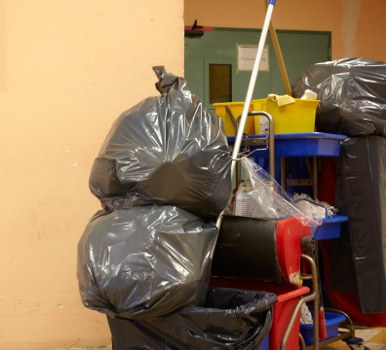 This Health and Safety policy sets out the commitment of the company that provides commercial waste services across the service area. It applies to all activities relating to commercial waste collection, rubbish removal and disposal for businesses, contractors and client sites. The policy is designed to protect employees, contractors, visitors and anyone affected by our operations by establishing clear standards, responsibilities and safe systems of work. Our aim is to minimise risk while delivering reliable commercial rubbish removal and waste management.
The scope of this policy covers collection, transport, temporary storage and transfer of commercial refuse and recyclable materials. It includes duties associated with bulky waste, secured skips, compactor servicing and manual handling of sacks and containers. Responsibilities extend to contractors and any third parties engaged to perform work on behalf of the company. All personnel must follow safe working methods and report hazards promptly.
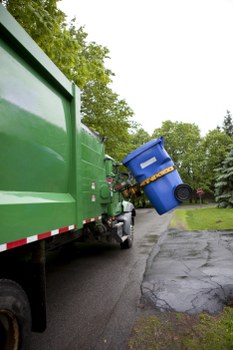 Legal and regulatory context: The organisation recognises the importance of complying with relevant health and safety legislation and environmental obligations. While this document does not substitute legal advice, it reflects the expectation of due diligence in managing risks associated with commercial waste handling, transfer and disposal. Employees must be aware that non-compliance with safety procedures may lead to disciplinary action and could create legal exposure for individuals and the company.
Risk assessment is central to our safety approach. We undertake regular site and task-specific assessments to identify hazards such as manual handling, traffic interactions, lifting operations, exposure to hazardous substances and slips, trips and falls. Controls include safe systems of work, personal protective equipment (PPE), vehicle safety protocols and segregation procedures for hazardous or non-conforming waste streams. Records of risk assessments are maintained and reviewed at appropriate intervals.
Control measures are implemented and monitored through training, supervision and documented procedures. Key safe working practices include:
- Pre-start vehicle and equipment checks
- Use of appropriate PPE (gloves, hi-vis, safety boots)
- Manual handling training and use of mechanical aids
- Traffic management where collections occur near moving vehicles
- Segregation and labeling of hazardous materials
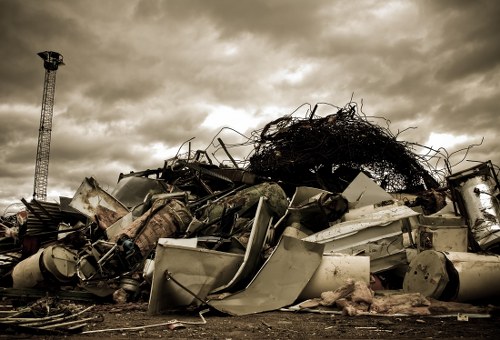 Training and competence are essential. All staff involved in commercial waste operations receive induction, refresher training and specialist instruction where tasks demand it, for example, operation of lifting gear or handling regulated streams. Supervisors ensure competence is assessed and documented. Training records are kept up to date and form part of ongoing performance review.
Incident reporting and investigation procedures are in place to ensure that accidents, near-misses and dangerous occurrences are recorded, investigated and acted upon. Corrective actions are tracked to closure. Learning from incidents informs revisions to risk assessments and procedures so that the quality of rubbish collection and waste handling continually improves.
The company promotes a safety culture where every person is empowered to stop work if they believe an activity is unsafe. Supervisors and managers have specific duties to support teams, enforce standards and ensure that resources are available to reduce risk. Accountability is listed by role in our operational documents: from drivers and loaders to waste officers and senior management.
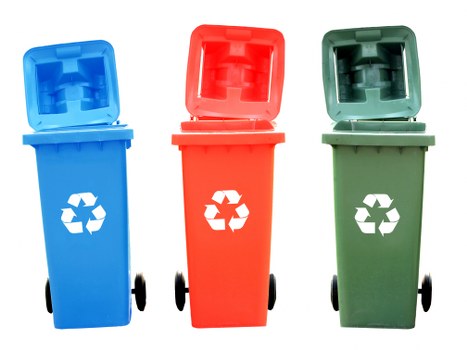 Environmental considerations are integrated into health and safety planning. Safe segregation of recyclables and hazardous fractions helps prevent cross-contamination, reduces handling risk and supports responsible disposal. Where mechanical handling or compacting is required, safeguards are applied to protect both people and the environment.
 Monitoring and review form a continuous cycle: performance is measured through inspections, audits and compliance checks. Key performance indicators include incident rates, completion of safety training, audit findings and effectiveness of control measures. Management undertakes periodic reviews to ensure the policy remains suitable and proportionate to the company’s operations in commercial rubbish services.
Roles and responsibilities
Senior management provides leadership and resources to deliver this policy. Supervisors enforce safe working practices and provide coaching. Employees must follow procedures, use PPE, complete training and report hazards. Contractors are required to meet the same standards when engaged to support commercial waste collection operations.Implementation and communication
To embed this policy we maintain clear documented procedures, publish role-specific instructions and ensure that health and safety matters are discussed in routine operational meetings. Communication channels are kept open for reporting issues and disseminating updates. All personnel receive a copy of the policy and must acknowledge their understanding.The policy is supported by practical controls such as vehicle checks, manual handling aids, PPE provision and documented emergency procedures. It applies to day-to-day removals, scheduled collections and one-off commercial clearances. The company is committed to continuous improvement and a proactive approach to managing risks associated with commercial waste activities.
Review frequency: This policy will be reviewed at least annually or sooner if significant changes occur to operations, legislation or following an incident. Updates will be communicated promptly to all affected personnel. Compliance with this policy is a condition of employment and engagement.
Conclusion: Delivering safe, reliable and compliant commercial waste services requires consistent leadership, trained staff and a commitment to best practice. By following this policy, the organisation seeks to protect people, property and the environment while providing professional rubbish removal, skip and waste collection services across its operational area.
